Seasonal Pet Care Checklist: Keeping Your Dog and Cat Healthy Year-Round
Professional grooming and at‑home care are both important parts of keeping your dog healthy, comfortable, and looking their best. The key is knowing what you can safely handle yourself—and when it’s time to schedule an appointment at Gentle Paws Grooming.
Below is a practical guide to help you balance DIY grooming with professional care.
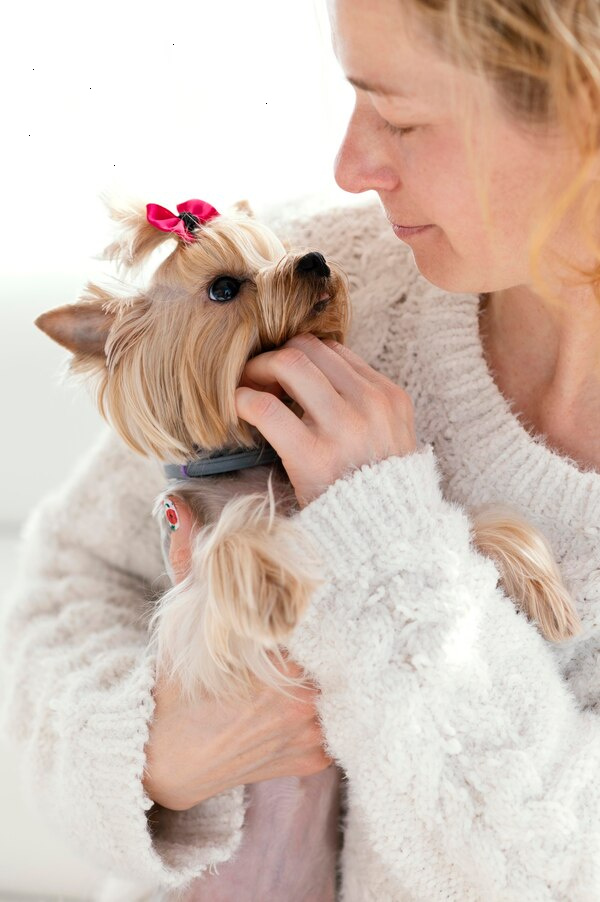
What Counts as DIY Grooming?
At-home grooming focuses on routine maintenance and bonding with your dog. Most pet parents can confidently handle the following with a little practice:
1. Brushing and De‑Shedding
Regular brushing prevents painful tangles, reduces shedding, and keeps your dog’s skin healthy.
- Ideal for home:
- Short‑haired breeds for basic coat maintenance
- Daily or weekly brushing for longer coats (between professional visits)
- Benefits:
- Reduces matting and hot spots
- Lets you spot lumps, bumps, or parasites early
- Strengthens the bond between you and your dog
2. Basic Bathing
Bathing at home is manageable if your dog is cooperative and you use the right products.
- Suitable for:
- Dogs without skin conditions
- Routine clean‑ups after muddy walks or rolling in something smelly
- Tips:
- Use dog‑specific shampoo (never human products)
- Rinse thoroughly to avoid irritation
- Dry completely, especially in colder months or for double‑coated breeds
3. Light Face, Paw, and Sanitary Care
Some minor touch‑ups can be done safely between professional sessions.
- Examples:
- Wiping eyes and cleaning tear stains
- Gently wiping ears (outer ear only)
- Trimming fur around the paws or in obvious trouble spots—only if your dog is calm and you’re comfortable handling scissors
If you ever feel unsure or your dog becomes stressed or squirmy, it’s safer to stop and call a professional.
What Professional Groomers Do Best
Professional groomers don’t just make your dog look cute—they perform skilled, technical work that protects your pet’s comfort and health. At Gentle Paws Grooming, your dog benefits from expert handling, proper tools, and trained eyes that can catch potential issues early.
1. Haircuts and Breed‑Specific Styling
Some coats simply aren’t meant for DIY scissors.
- Best left to the pros for:
- Breeds like Poodles, Doodles, Bichons, Shih Tzus, Schnauzers, Terriers, and Spaniels
- Any dog needing a specific trim or style (breed standard, puppy cut, or custom cut)
- Why it matters:
- Proper cuts keep coats manageable and comfortable
- Incorrect clipping can damage the coat or affect how it regrows
At Gentle Paws Grooming, stylists understand coat types, growth patterns, and how to shape a cut so your dog looks great and stays comfortable between appointments.
2. Nail Trimming and Grinding
Nail care is one of the most common—and most stressful—DIY tasks.
- Risks at home:
- Cutting too short (into the quick), causing pain and bleeding
- Teaching your dog to fear nail trims if the experience goes badly
- Why use a professional:
- Groomers can safely trim or grind nails to a comfortable length
- They’re trained to work with wiggly, nervous, or fearful dogs
- Regular professional nail care helps prevent joint strain, posture issues, and broken nails
If you hear your dog’s nails clicking on the floor or see them splaying on smooth surfaces, it’s time for a professional trim.
3. Mat Removal and Coat Recovery
Mats (tight tangles close to the skin) are more than a cosmetic issue—they can be extremely painful.
- DIY risks:
- Cutting the skin while trying to cut out mats
- Leaving hidden mats that pull the skin and restrict movement
- Professional advantages:
- Safe dematting with the right tools and techniques
- Honest assessment of whether dematting is humane or if a reset shave is kinder
- Guidance on a grooming schedule to prevent mats from returning
At Gentle Paws Grooming, comfort comes first. The team will always prioritize a stress‑free, pain‑free solution over preserving length at any cost.
4. Ear Care and Anal Gland Services
Some areas require more than just a wipe with a cloth.
- Professional ear care:
- Gentle cleaning with appropriate products
- Recognizing signs of ear infections (odor, redness, discharge)
- Anal gland expression (where offered and appropriate):
- Can relieve discomfort in dogs who tend to have impacted or full glands
- Best done by someone trained to recognize issues that may require a veterinarian
If your dog is scooting, licking excessively, or shows signs of discomfort, a professional groomer can help determine if grooming or a vet visit is the next step.
5. Skin, Coat, and Health Monitoring
Groomers see your dog up close, head to tail.
- They may notice:
- New lumps or bumps
- Hot spots, rashes, or dry patches
- Parasites like fleas or ticks
- Why this matters:
- Early detection can mean faster treatment from your vet
- Groomers can adjust products and techniques for sensitive skin or allergies
Gentle Paws Grooming uses appropriate shampoos, conditioners, and drying methods that support your dog’s unique coat and skin needs.
When You Can Stick to DIY
DIY grooming works well when:
- Your dog’s coat is naturally low‑maintenance (short, single coat)
- You brush consistently and tangles never turn into mats
- Your dog stays calm for baths and light trimming
- You’re comfortable with the basics and feel confident your dog is safe
Even then, it’s wise to use professional services periodically for nails, a deep clean, and a full check of skin, ears, and glands.
Clear Signs It’s Time to Visit Gentle Paws Grooming
You should book a professional grooming appointment if you notice any of the following:
- Mats or Tangles You Can’t Brush Out
- The coat feels lumpy, tight, or rough in spots
- Your dog flinches or pulls away when you touch certain areas
- Overgrown Nails
- Nails curl, twist, or touch the ground even when your dog is standing normally
- You hear constant clicking on hard floors
- Strong Odor or Greasy/Flaky Coat
- Regular home baths aren’t helping
- The smell returns quickly or seems “yeasty” or sour
- Eye or Ear Discharge, Redness, or Odor
- Brown or green discharge, excessive tearing, or persistent staining
- Head shaking, ear scratching, or foul odor from the ears
- You Feel Unsure or Overwhelmed
- You worry about hurting your dog with clippers, scissors, or nail trimmers
- Your dog becomes anxious, aggressive, or extremely stressed during DIY sessions
These are all moments when a gentle, experienced professional can step in, make your pet comfortable, and help reset your grooming routine.
How Often Should Your Dog See a Professional Groomer?
Frequency depends on breed, coat type, and lifestyle, but these are general guidelines:
- Long‑haired and curly‑coated breeds (Poodles, Doodles, Shih Tzus, etc.):
- Full grooming every 4–6 weeks
- Brushing at home several times a week between visits
- Double‑coated breeds (Golden Retrievers, Huskies, Shepherds):
- Professional de‑shedding and coat maintenance every 6–8 weeks
- Weekly brushing at home
- Short‑haired breeds (Beagles, Boxers, Pit Bulls):
- Professional baths and nail trims every 6–10 weeks
- Brushing once or twice a week at home
Gentle Paws Grooming can help you build a schedule tailored to your dog’s individual needs and your lifestyle.
Why Choose Gentle Paws Grooming
Professional grooming is about far more than a pretty finish. At Gentle Paws Grooming, your dog receives:
- Patient, low‑stress handling: Ideal for anxious, senior, or first‑time clients
- Individualized care: Coat type, skin sensitivity, age, and temperament are all considered
- Safe, professional equipment: Clean, maintained tools designed for animal comfort
- Transparent communication: Clear explanations of what your dog needs and why
When you combine smart DIY care at home with regular visits to Gentle Paws Grooming, you give your dog the best of both worlds: everyday comfort and professional protection.
Finding the Right Balance
Think of DIY grooming as daily or weekly “upkeep” and professional grooming as essential “reset and refresh” appointments.
Handle what you can safely at home: brushing, basic baths, and gentle cleaning.
Turn to Gentle Paws Grooming when:
- The coat becomes too much to manage
- Nails, ears, or skin need expert attention
- Your dog’s comfort—or your confidence—comes into question
That balance keeps your dog healthy, happy, and looking their best all year long.